Narendra Modi writings archive
Modi Book Reader
This site exists to host scans and translated web editions of Narendra Modi’s written works. Each book preserves the original scanned pages while also offering OCR text and an English translation for easier reading and cross-checking.
Comparison dashboard
All tabs at a glance
Compact overview of the public research and comparison pages. Each card opens a static, source-backed tab.
Zeitraffer
Electricity & toilets
Animated World Bank time-lapse: electricity, sanitation, open defecation.
Trend chart Poverty in IndiaCited poverty graphs with ruling-party background bands and timeline markers.
Country compare GDP per capitaIndia compared with Pakistan, China, and Bangladesh over the long run.
Affidavits Net worth comparisonModi and Rahul Gandhi based on 2024 MyNeta / ADR disclosures.
Security graph Terror attacks in IndiaAttack frequency and attributed perpetrator ideology / religion share over time.
Sourced network NGO connectionsPoliticians with formal links to Christian or Muslim-run trusts and institutions.
Attribution snapshot
The Modi bibliography, at a glance
Counted from the public bibliography page for Narendra Modi, then tempered with publisher metadata and the visible form of each title.
Bibliography count
12
Publicly attributed books
The current public bibliography lists 12 books attributed to Narendra Modi.
Archive coverage
4
Books currently archived here
These are already converted into searchable, scan-backed web editions inside this archive.
Authorship estimate
71%
Estimated direct-authorship confidence
Not a plagiarism claim: this drops below 100% when a title looks translated, curated from speeches or letters, or otherwise editorially mediated.
Open detailed breakdown →
Confirmed cases found
0
Verified plagiarism findings located in this review
I did not find a clearly sourced public plagiarism ruling for the bibliography reviewed here.
Why the score is relatively high
- Multiple titles are openly marketed by publishers as books by Narendra Modi, including Exam Warriors and Letters to Mother.
- The public bibliography consistently lists a coherent run of Modi-attributed books across memoir, poetry, policy, and reflective writing.
- Several books look like direct-author genres rather than anonymous corporate products: poems, letters, memoir-like reflections, and political commentary.
Why it is not 100%
- Some entries are explicitly translated editions, which weakens certainty about the exact wording in the published version.
- Some look more like curated or adapted volumes, especially speech, tribute, or letter-based compilations.
- At least one bibliography entry looks bibliographically unusual enough that I would not treat the whole list as equally strong evidence of solo manuscript authorship.
How these stats were estimated
This archive distinguishes between public attribution, direct authorship confidence, and verified plagiarism findings. Those are different things. A score below 100% here does not mean a book is plagiarized; it usually means the public record suggests translation, editing, compilation, curation, or other mediation between author and published text.
12-book count: public bibliography page for Narendra Modi.
Direct-credit examples: publisher pages credit titles like Exam Warriors and Letters to Mother to Narendra Modi.
Plagiarism metric: no clearly sourced confirmed ruling located in this review.
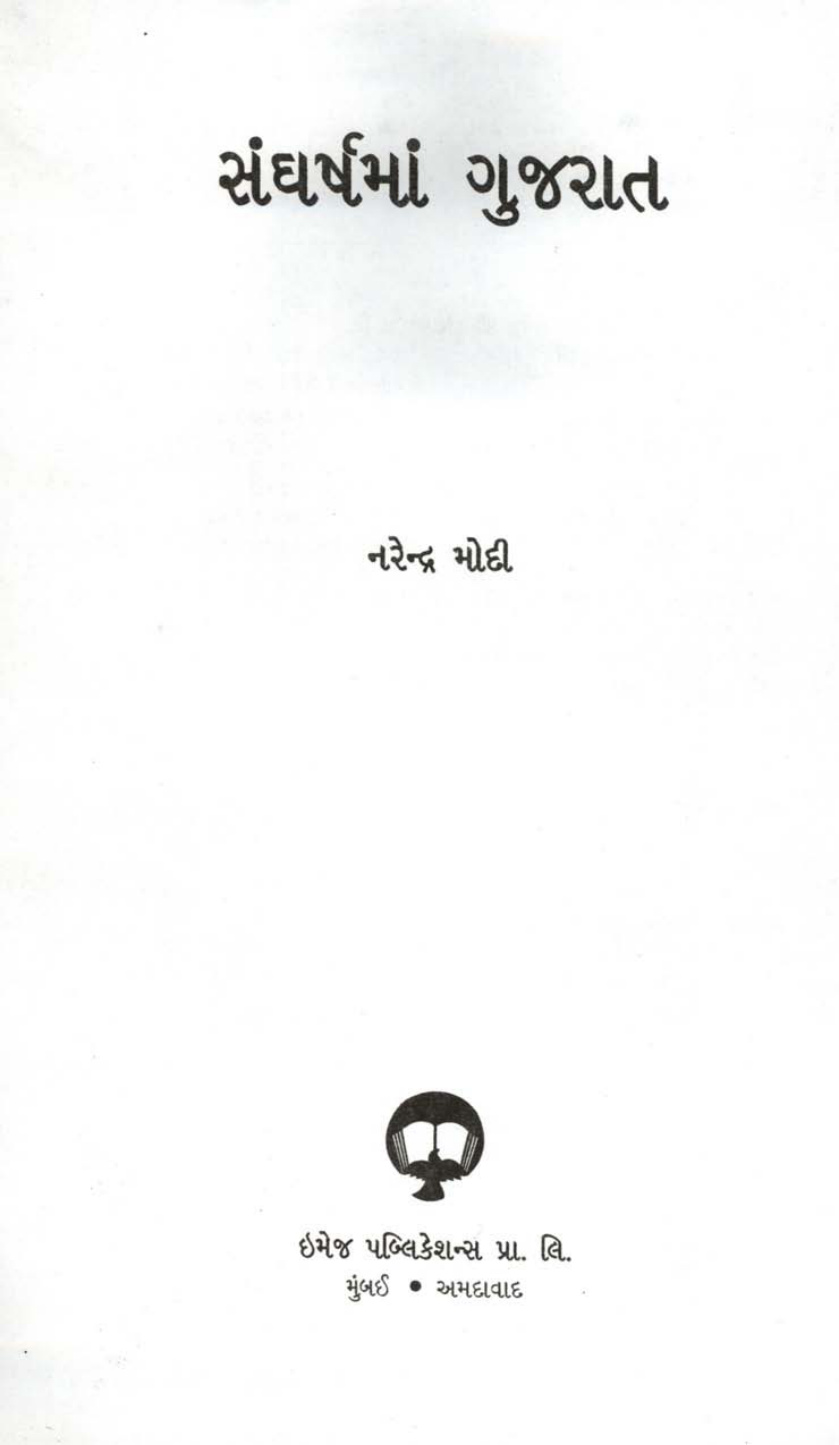
Sangharsh ma Gujarat: Gujarat during the Emergency
A political memoir and documentary account by Narendra Modi about Gujarat’s role during India’s Emergency period, covering resistance, underground organization, civil activism, and the defense of democratic life. First published in 1978, the book was written in the aftermath of the Emergency years (1975–77), while Modi was 27 years old.
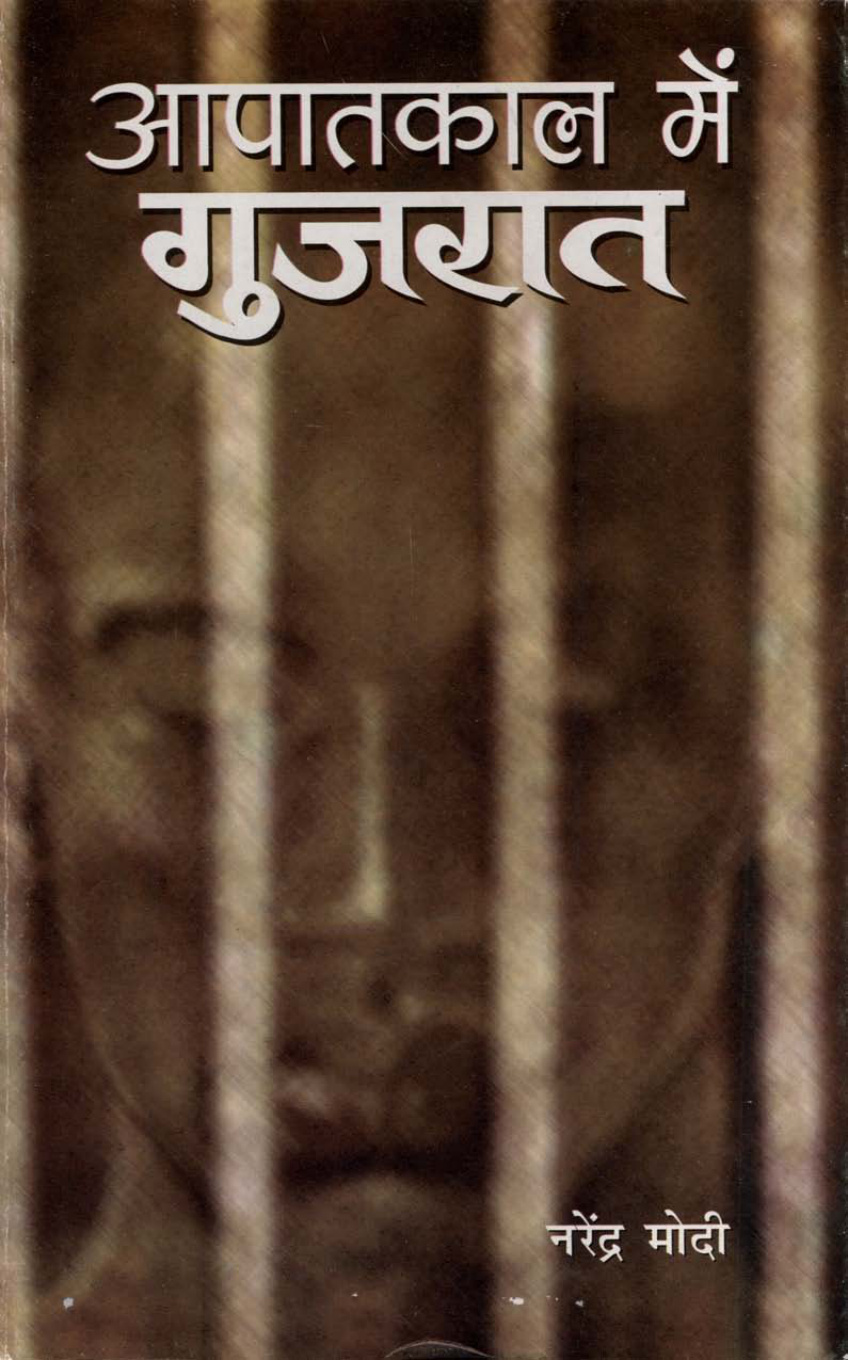
Aapatkal Mein Gujarat: Gujarat in the Emergency
A Hindi edition of Narendra Modi’s account of Gujarat during the Emergency, centered on political resistance, underground networks, and democratic struggle.

Convenient Action: Gujarat's Response to Challenges of Climate Change
A policy-oriented volume presenting Gujarat’s climate and development strategy, with a reader page plus a goals-and-outcomes assessment table.

Social Harmony
A collection associated with Narendra Modi’s reflections on social equality, communal harmony, and the need to overcome caste exclusion and division in public life.